
Water & environment
Groundwater quality, seasonal scarcity and infrastructure gaps affect daily life. EFO prioritizes verified water projects and community maintenance models.
Where we work
EFO’s programs are shaped by local knowledge, volunteer networks and community participation across Jacobabad District and surrounding areas.
Jacobabad District
Jacobabad is a district in Sindh Province, Pakistan — often described as lying approximately 44 km northwest of Sukkur along major transport routes.
Editorial note: Confirm current administrative boundaries, tehsil names and distances against official Sindh government sources before publication. Border descriptions with Punjab and Balochistan should be verified with up-to-date maps.
The district sits where provincial borders meet, with the Indus River shaping livelihoods, irrigation and seasonal flood risk in parts of the region. EFO’s work responds to this geography — not from a distance, but alongside people who live it every day.
Local context
Communities here navigate overlapping pressures: access to safe water, quality education, health services, livelihood security and climate-related stress — while drawing on deep local resilience and mutual support.
Groundwater quality, seasonal scarcity and infrastructure gaps affect daily life. EFO prioritizes verified water projects and community maintenance models.
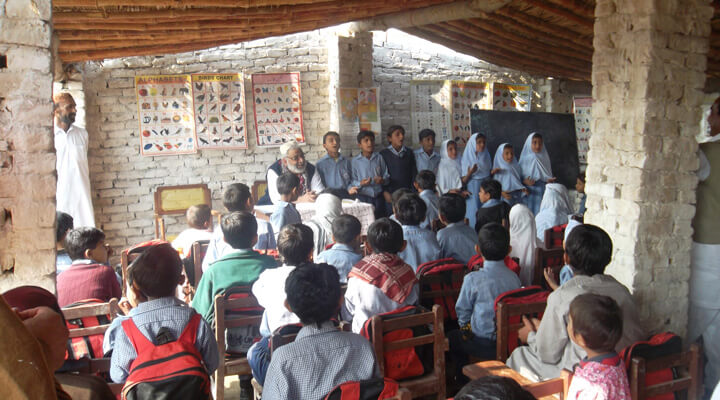
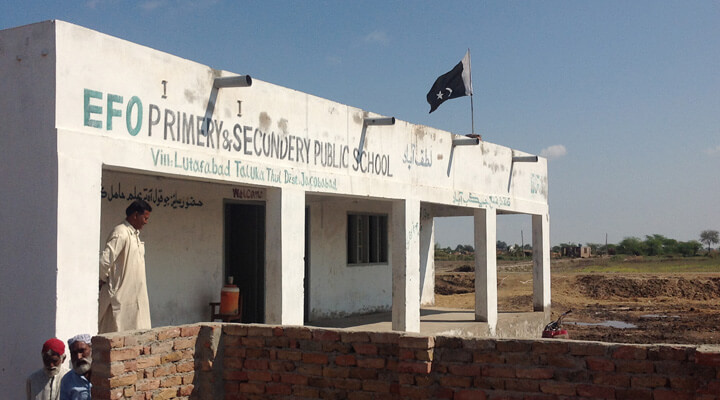
Quality schooling and extracurricular opportunity remain uneven. EFO Public School in the Thul area is one anchor for long-term learning.
Rural households depend on crops, livestock and informal work. Food assistance, seeds and vocational support aim to build sustainable income.
Our local presence
EFO is registered under the Voluntary Social Welfare Agencies Ordinance 1961, Government of Sindh. Field teams, volunteers and community leaders coordinate program delivery from within the district.
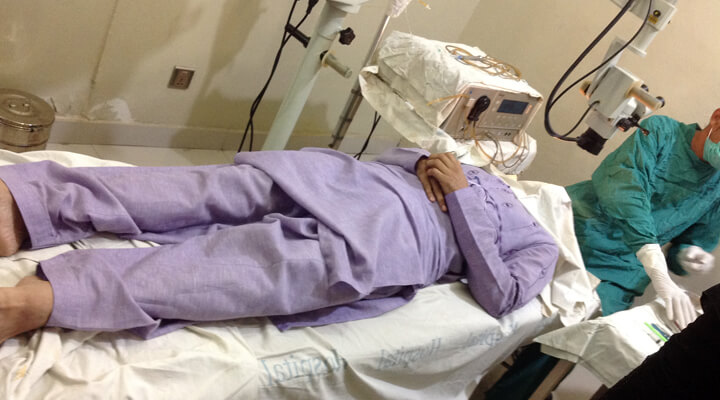
Programs span education, health camps and awareness, poverty alleviation, agriculture support, civic sense initiatives and protection-focused work for women, children and vulnerable groups. Each intervention is designed to respect local consent, dignity and ownership.
Communities we serve
Replace the examples below with approved names of villages, union councils or tehsils where EFO has documented program activity. Do not publish specific locations without community consent and internal verification.
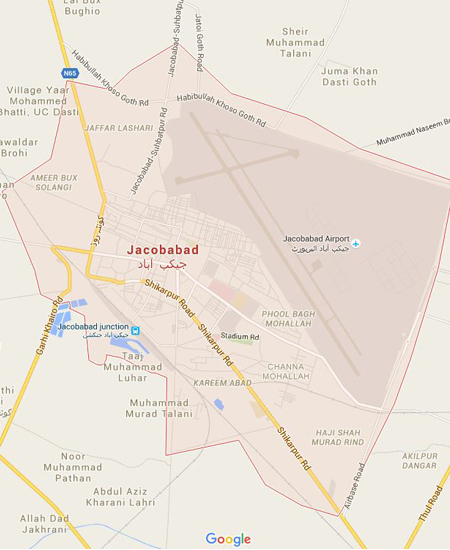
Primary operating district — education, water, health and livelihood programs across Thul and surrounding communities.
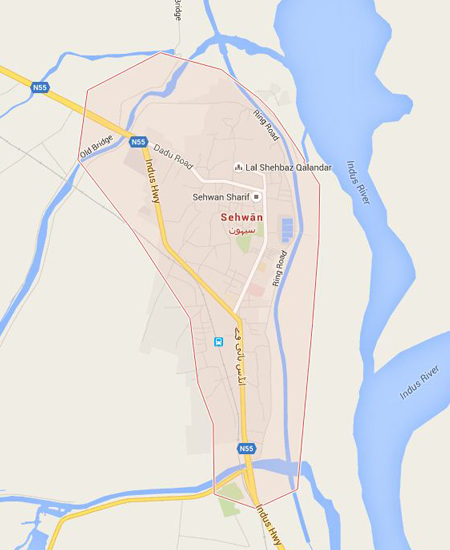
Medical camps and community outreach documented in field photography from Sehwan-area programs.
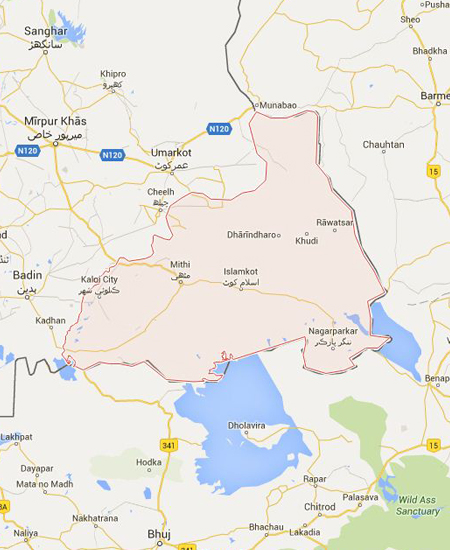
Arid Sindh context — water access and rural livelihoods illustrated with verified field documentation.
Project explorer
Browse donor-supported water projects with photos, locations and completion details. Use this map-style gallery to understand where infrastructure investments are making a difference.
An interactive map may be added in a future phase. For now, the water projects page serves as the primary geographic explorer for completed work.
Open water projectsBroader Sindh context
EFO’s primary focus remains Jacobabad. Field photography and stories from other arid and rural parts of Sindh — such as Thar — illustrate shared challenges around water, health and education only when explicitly linked to verified EFO activity.
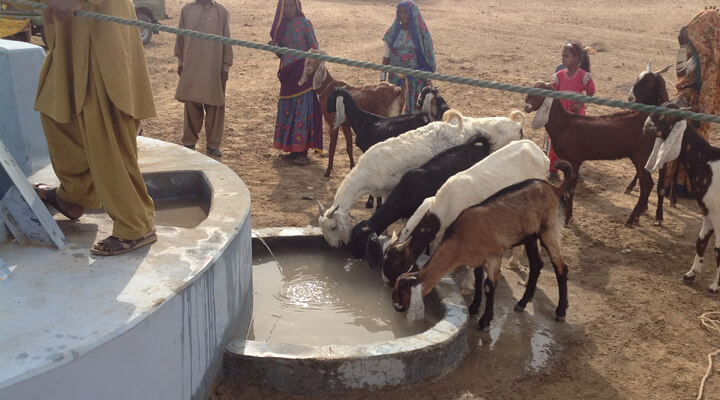
Use cross-region imagery with clear captions so supporters understand where EFO operates versus where photos are illustrative only.
View impact overview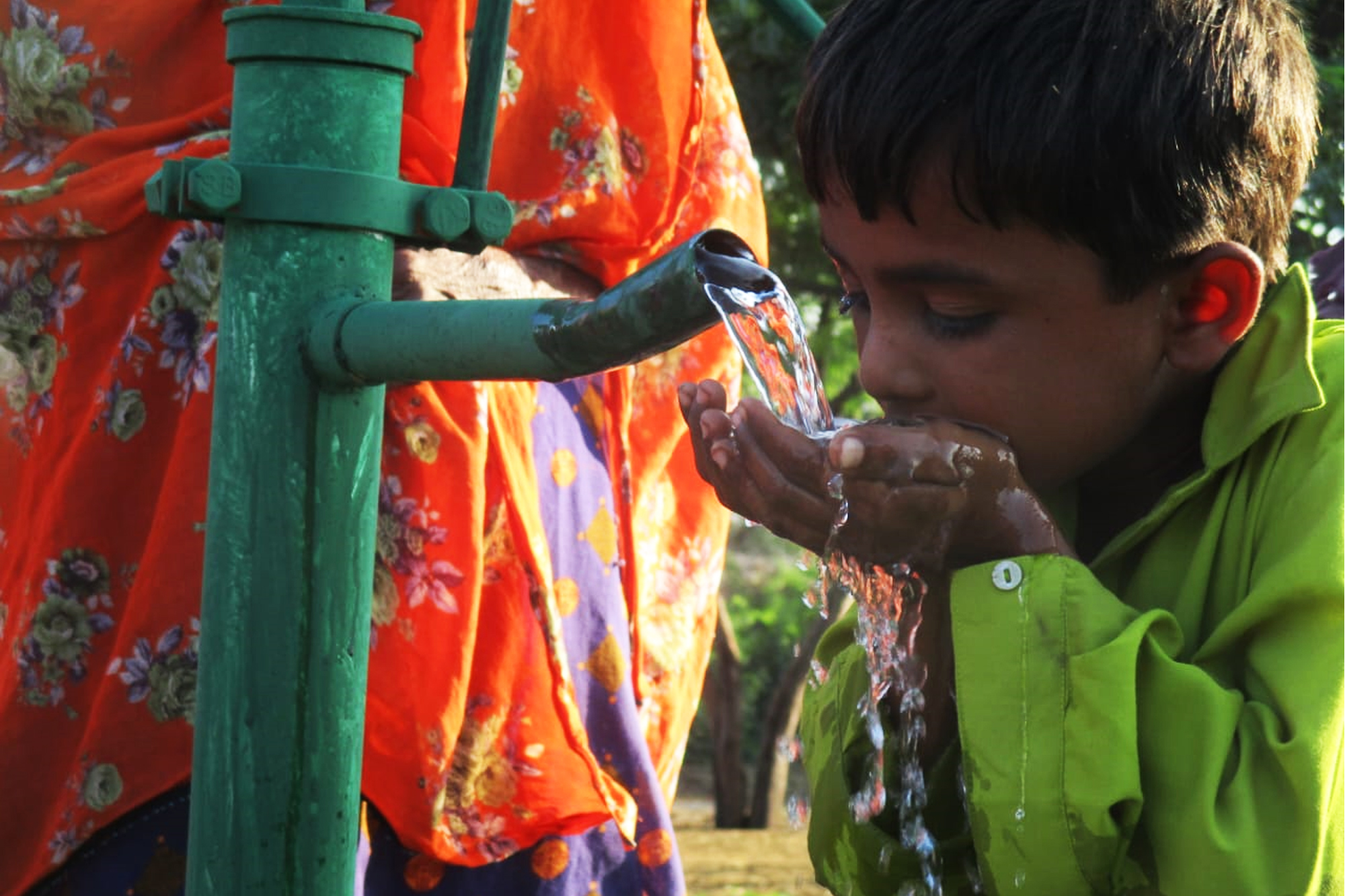
Stand with Jacobabad
Your donation helps EFO deliver community-led programs with transparency and local accountability.
Donate Now