
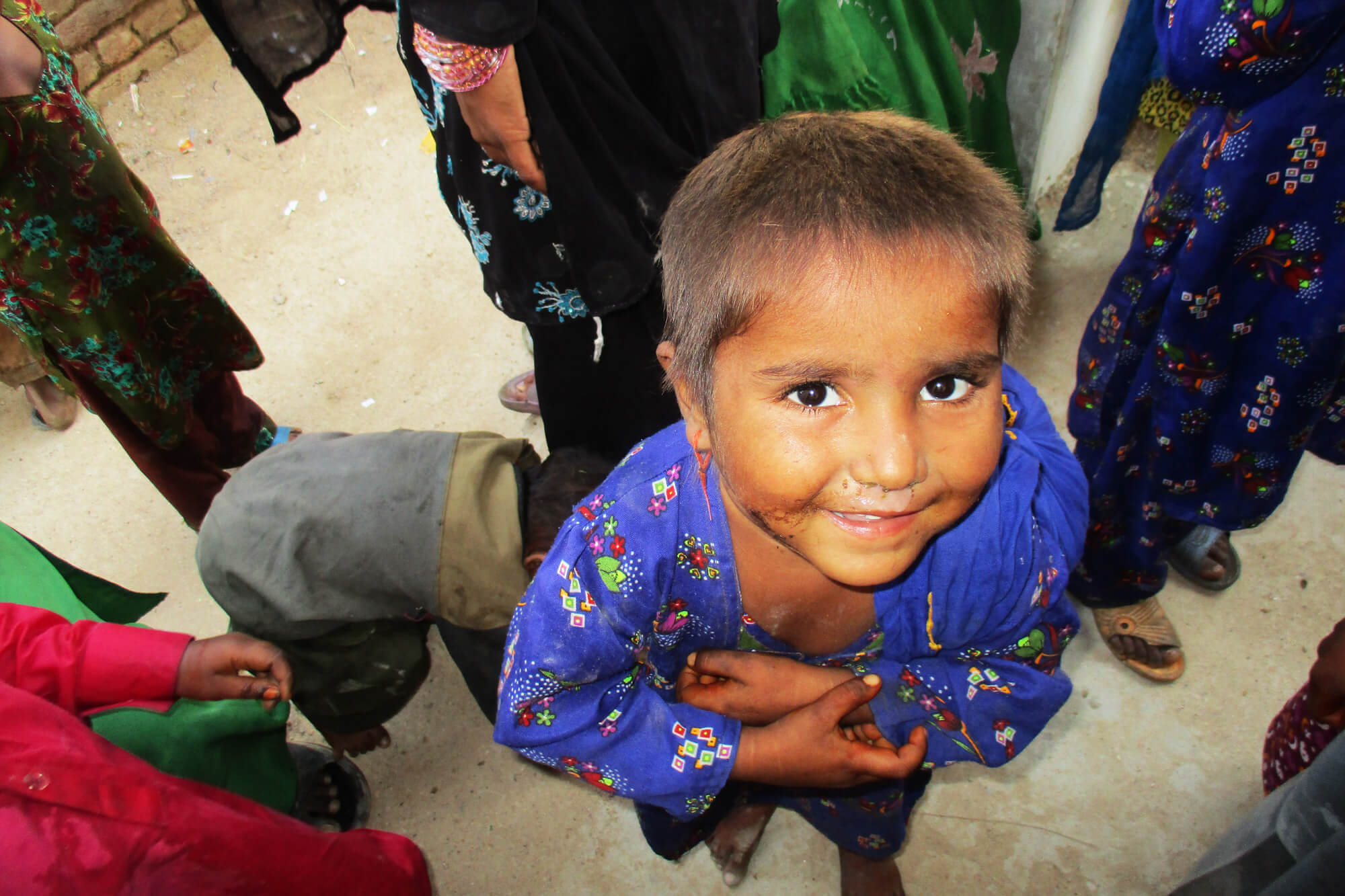
People reached
Outcome: individuals who receive education, health, food, water or livelihood support through this program.
Program
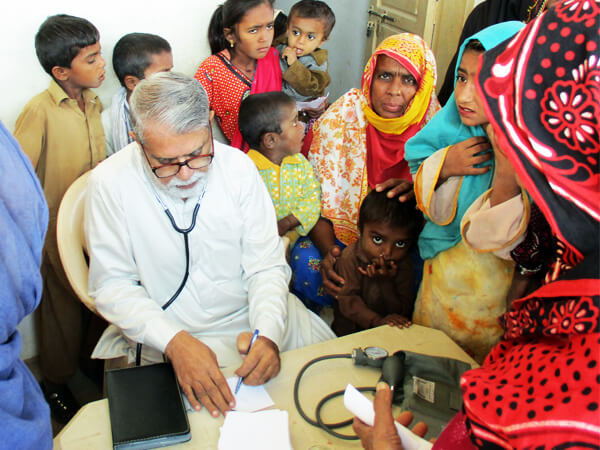
Expanding community health access through camps, local care points and planned emergency response.
The challenge
Many families in our target areas cannot afford timely medical care or must travel long distances in emergencies. Preventable illness, maternal and child health risks and gaps in local facilities continue to strain households already living on the margins.
EFO's approach
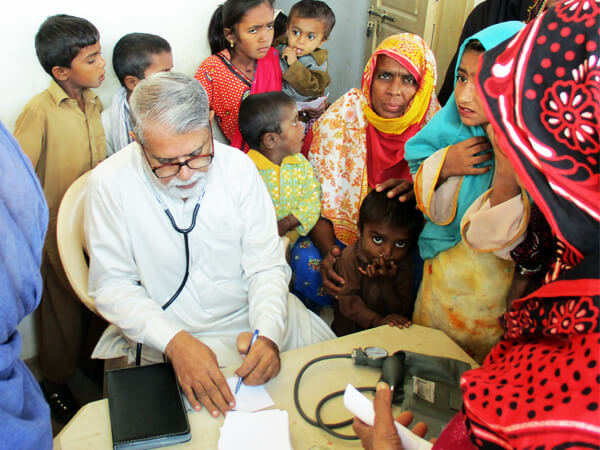
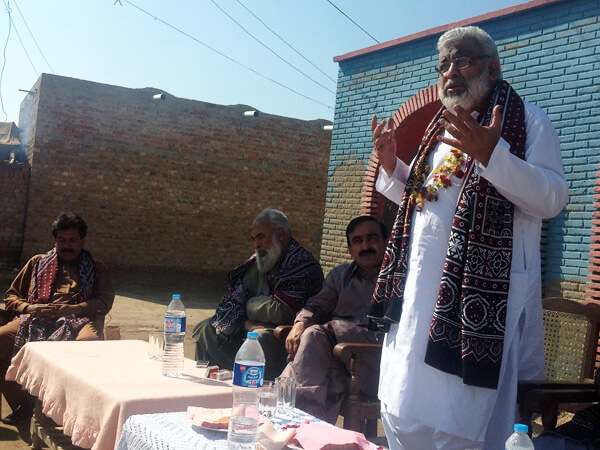
EFO has adopted a comprehensive, community-based strategy to rapidly and effectively expand health services. We organize medical camps that provide free treatment for poor and deserving people, and we are developing a network of dispensaries and care access points aligned with local priorities. An ambulance service is planned to offer free emergency pick-up and drop-off, assist local administration when needed, and connect patients to the nearest appropriate medical centers with trained staff and drivers who know the shortest safe routes.
Our long-term vision includes health care centers, dispensaries and hospital linkages — scaled step by step with community need and verified partnerships.
Our results
Each indicator below names the outcome we measure. Figures stay blank until monitoring data is verified for public use.
People reached
Outcome: individuals who receive education, health, food, water or livelihood support through this program.
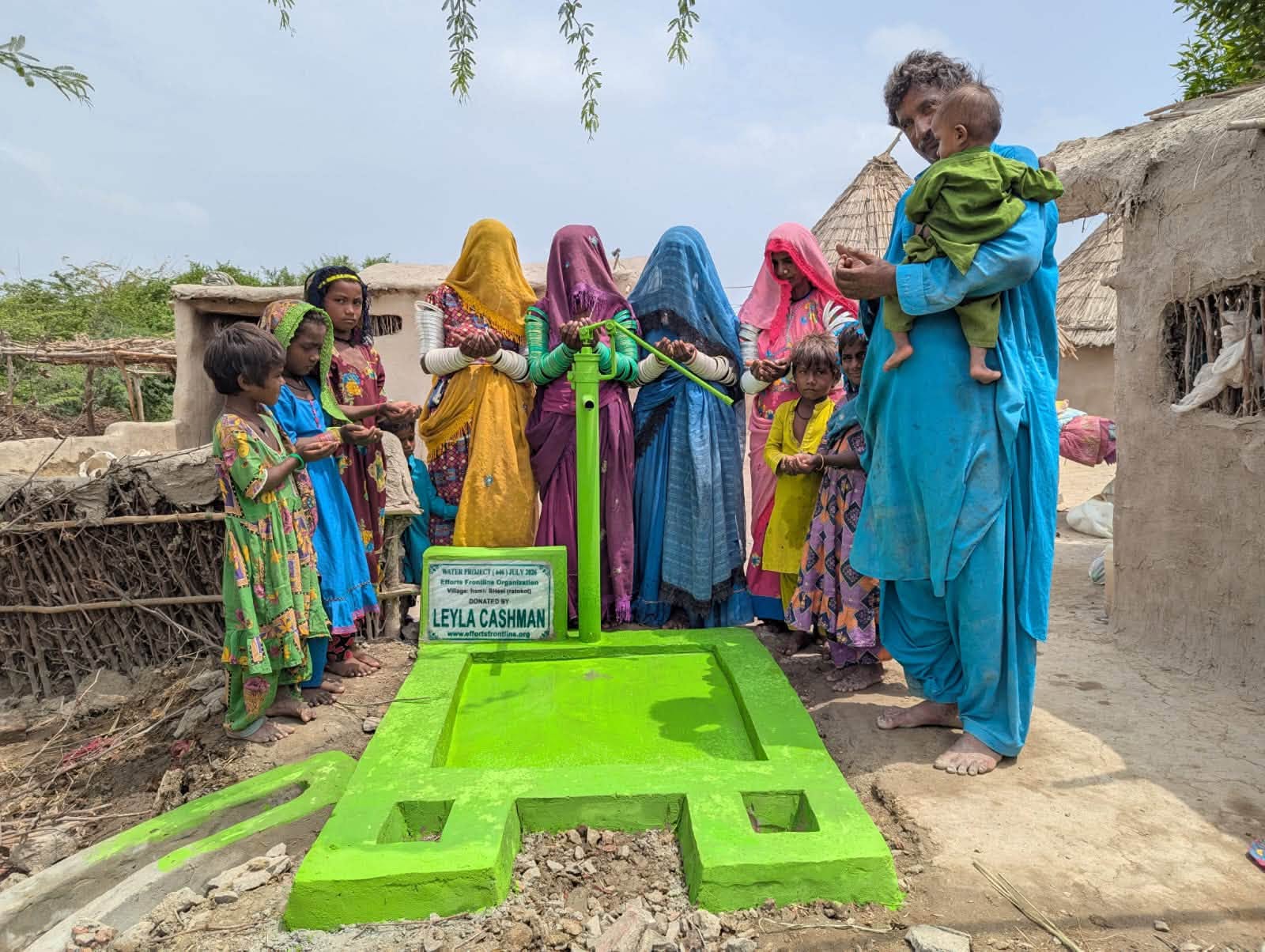
Communities served
Outcome: villages and neighbourhoods where services are delivered with local participation.
Active interventions
Outcome: camps, distributions, school terms and field activities running in the reporting period.
Local partners
Outcome: schools, clinics, donors and community leaders who help deliver and sustain the work.
Story from the field
A free camp in our village meant my mother could see a doctor without choosing between medicine and food.
Community members frequently describe medical camps as a lifeline when routine care is unaffordable. EFO tracks camp activity internally; public reporting of patients served and follow-up referrals will use verified figures only — placeholders remain until audit-ready data is available.