
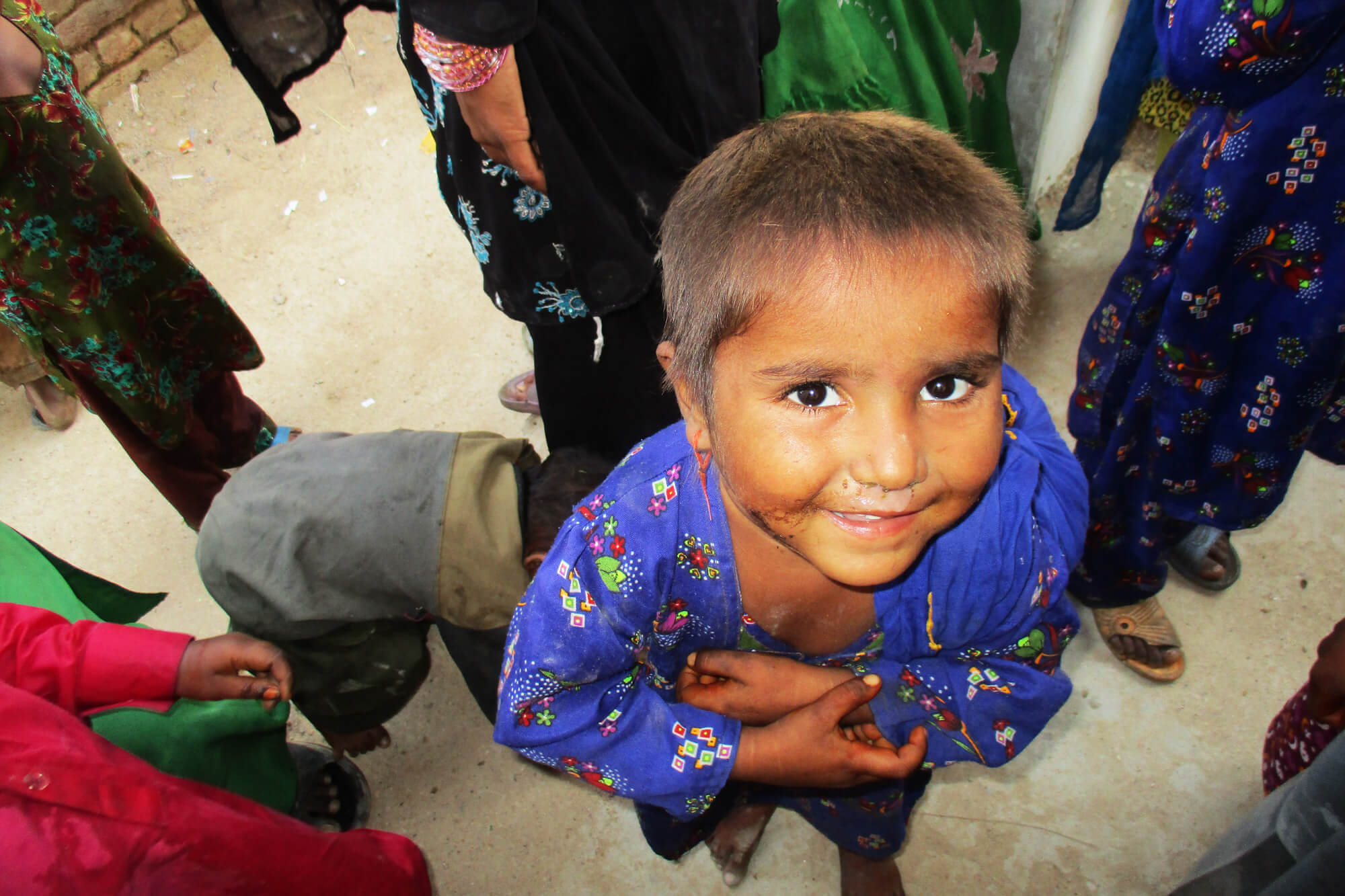
People reached
Outcome: individuals who receive education, health, food, water or livelihood support through this program.
Program
Short-term relief and long-term skills — helping families move from survival toward self-reliance.
The challenge
Economic stagnation and rising living costs leave a large share of the population unable to afford adequate food and stable income. Without both emergency support and pathways to skilled work, households remain vulnerable to shocks such as floods, illness or job loss.
EFO's approach
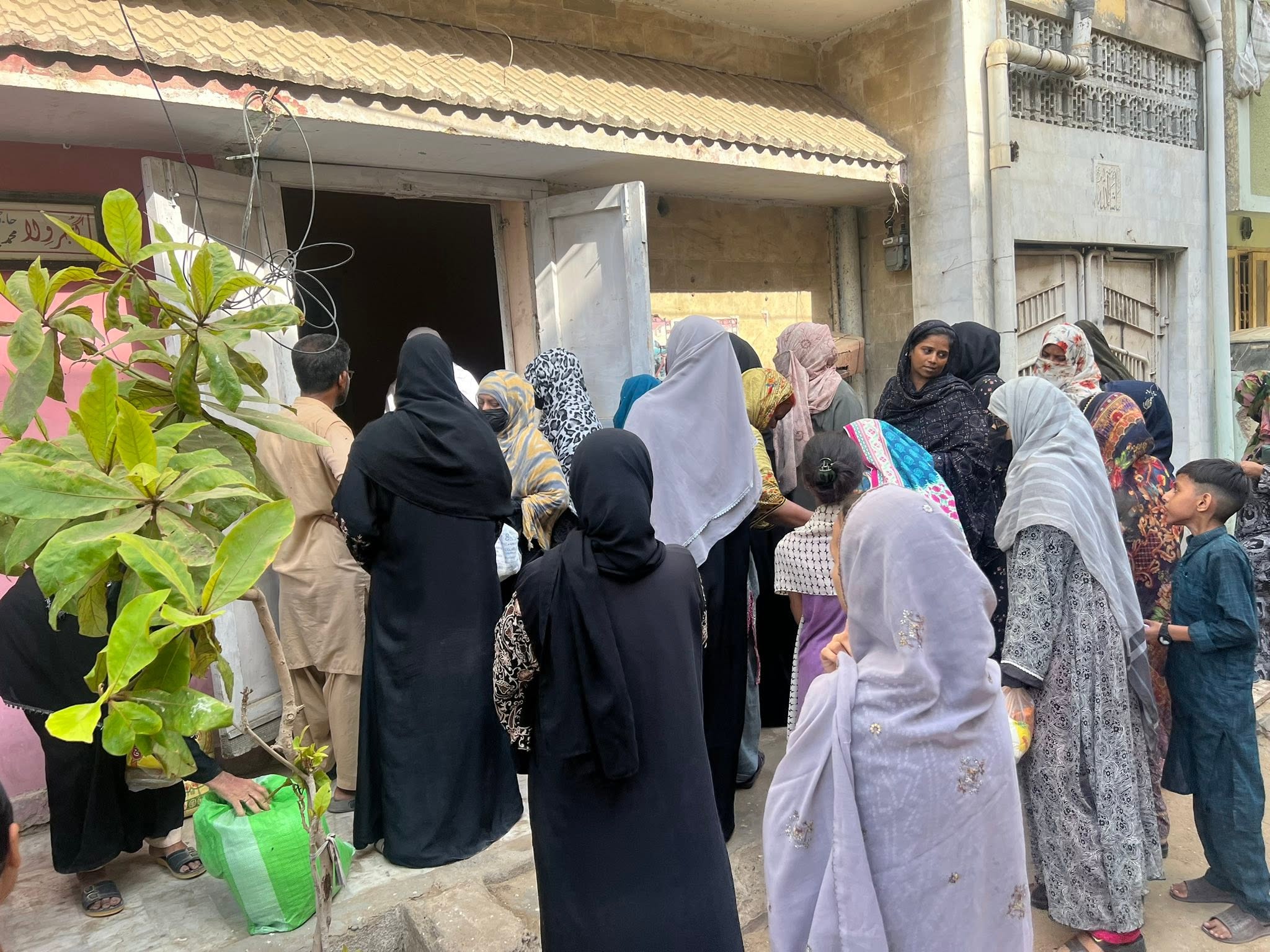
EFO’s poverty alleviation model reflects a simple principle: meet urgent needs today while building capacity for tomorrow. Short-term interventions include financial assistance and food bag distribution for people who cannot sustain normal consumption. Long-term work focuses on vocational training that equips participants with market-relevant skills. During the devastating floods of 2010, EFO distributed food bags to affected families — an example of how donor-backed relief connects to our ongoing food security work.
Our model balances immediate food and financial assistance with vocational training so people can earn with dignity over the long term.
Our results
Each indicator below names the outcome we measure. Figures stay blank until monitoring data is verified for public use.
People reached
Outcome: individuals who receive education, health, food, water or livelihood support through this program.
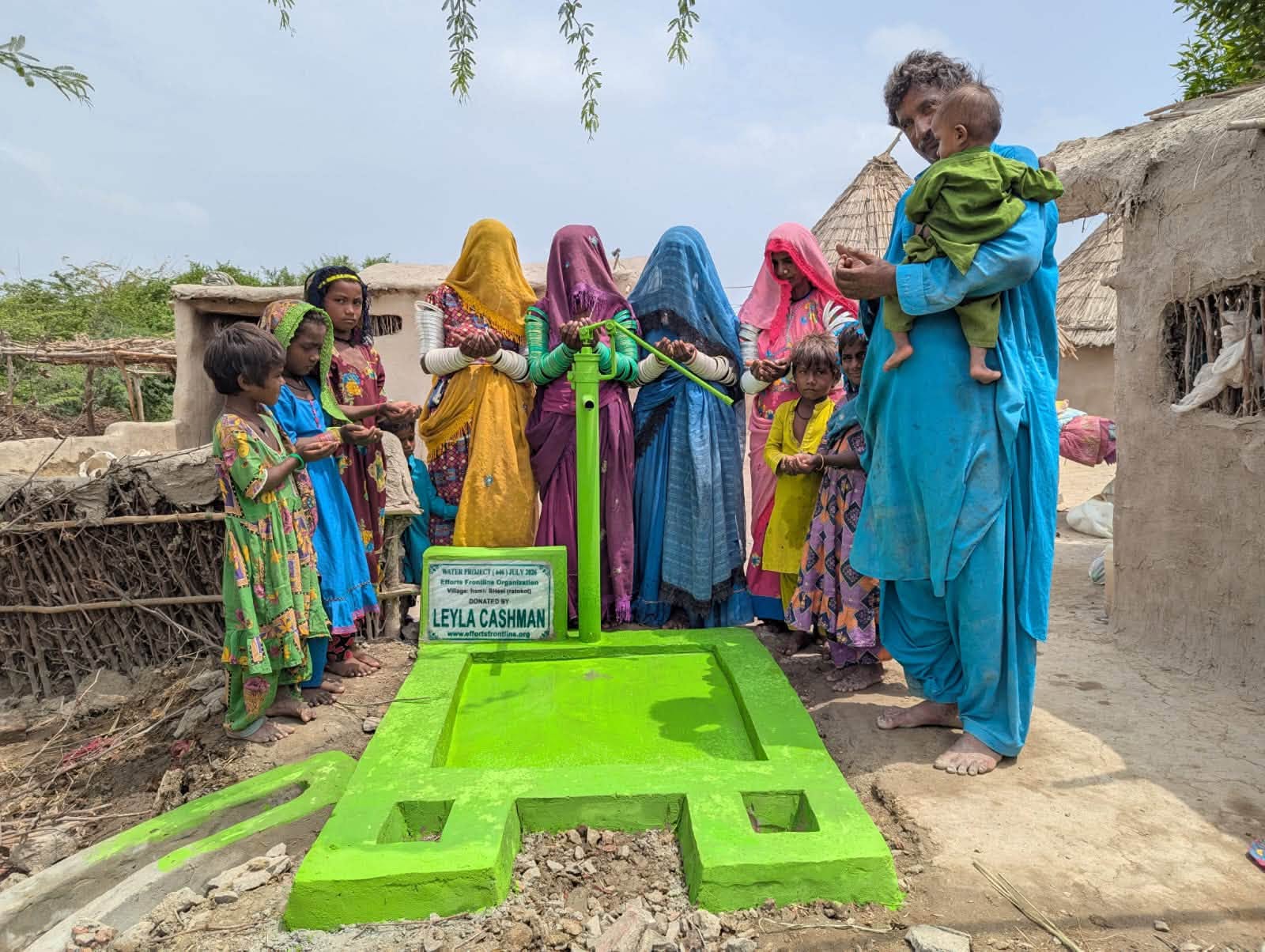
Communities served
Outcome: villages and neighbourhoods where services are delivered with local participation.
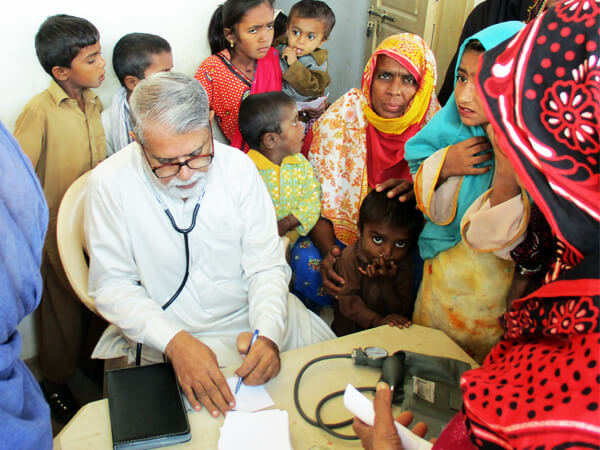
Active interventions
Outcome: camps, distributions, school terms and field activities running in the reporting period.
Local partners
Outcome: schools, clinics, donors and community leaders who help deliver and sustain the work.
Story from the field
Learning a trade did not erase our struggles overnight — but it gave me a way to feed my family with my own hands.
Trainees and food program recipients often describe renewed hope when assistance is paired with practical skills. Media surveys have cited widespread food insecurity nationally; EFO cites such trends qualitatively while publishing only verified local distribution numbers on impact materials.
Your contribution helps EFO deliver community-led, sustainable change.
Donate Now